

Last updated: 2026
What should you wear for winter cycling?
What to wear winter cycling depends on smart layering that manages sweat, traps body heat, and protects against wind and moisture. Start with a moisture-wicking base layer, add insulation based on temperature, and finish with a windproof or water-resistant outer layer. The best clothing for winter cycling keeps you warm and comfortable without causing overheating during long, cold rides.
What to Wear Cycling in Winter: The Complete Layering Guide by Temperature
⏱ 6 min read
Cold rides should not mean numb toes, frozen fingers, or shortened adventures. Choosing the right winter cycling attire helps you stay warm, dry, and confident through changing weather. This guide explains what to wear cycling in winter, how to build an effective layering system, and what gear you actually need for different temperatures and riding conditions.

Layering smart beats layering heavy — what to wear winter cycling made simple
What gear do you need for winter cycling?
Knowing what gear you need for winter cycling makes cold-weather riding easier and more comfortable. A complete setup combines clothing layers, bike equipment, and safety accessories that match your temperature, terrain, and ride duration.
Essential clothing
- Moisture-wicking base layer to prevent sweat buildup
- Thermal jersey or insulating mid-layer for warmth
- Windproof cycling jacket for cold airflow protection
- Water-resistant outer shell for wet conditions
- Thermal tights or cycling leg warmers for leg protection
- Insulated gloves, thermal socks, and shoe covers
- Helmet liner, thermal cap, and neck warmer
Bike equipment
- Winter-friendly tires for improved traction
- Fenders or mudguards for wet roads
- Reliable bike lights for darker winter conditions
- Basic repair and maintenance supplies
Safety accessories
- Reflective clothing or visibility panels
- Weather-protective eyewear
- Emergency tools and spare repair equipment
Beginners do not need to buy everything immediately. Start with the essentials: a breathable base layer, wind protection, warm gloves, and visibility gear. Add specialized equipment as temperatures drop or riding conditions become more demanding.
How to dress for winter cycling: The 3-layer system explained
The most reliable way to stay comfortable when cycling in winter is using a three-layer system. Instead of depending on one heavy jacket, layering for winter cycling lets you control moisture, warmth, and weather protection throughout your ride.
Base layer (moisture control)
Your base layer sits directly against your skin and moves sweat away from your body. Staying dry is essential because damp fabric quickly increases heat loss in cold air.
- Merino wool offers temperature regulation and odor resistance
- Synthetic fabrics provide fast drying and efficient moisture control
- Avoid cotton because it absorbs sweat and stays cold
Mid layer (insulation)
The mid layer traps warm air close to your body. It is most useful during colder rides, slower cycling, or longer distances where maintaining heat becomes more difficult.
- Choose lightweight fleece or thermal cycling jerseys
- Avoid excessive bulk that limits movement
- Adjust insulation based on effort level and temperature
Outer layer (weather protection)
The outer layer shields you from wind, rain, and snow. A good winter cycling jacket should protect against weather while allowing excess heat and moisture to escape.
- Windproof jackets work well in dry cold conditions
- Water-resistant shells help during light rain or snow
- Ventilation zippers improve temperature control
What to wear cycling in winter by temperature
The best winter cycling gear changes depending on temperature, wind chill, ride intensity, and duration. Use this guide as a starting point and adjust layers according to your conditions.
10°C to 5°C
- Light moisture-wicking base layer
- Long sleeve cycling jersey
- Lightweight jacket or vest
- Arm warmers and light gloves
5°C to 0°C
- Thermal base layer
- Insulated jersey or mid-layer
- Windproof cycling jacket
- Thermal tights or cycling leg warmers
- Full gloves and warmer socks
0°C to -5°C
- Heavy thermal or merino base layer
- Fleece or insulated mid-layer
- Insulated jacket
- Wind-resistant lower-body protection
- Shoe covers and thermal gloves
Below -5°C
- Multiple insulating layers
- Windproof and waterproof shell
- Full face protection in extreme conditions
- Winter cycling shoes or insulated footwear
Longer rides require more insulation because your body loses heat over time. Wind can also make temperatures feel much colder, so prioritize wind protection even when the thermometer does not look extreme.
Winter cycling attire by body area
Cold-weather comfort depends on protecting every part of your body. The best clothing for winter cycling balances warmth, mobility, and breathability.
Head and neck
A large amount of heat can escape from exposed areas around your head and neck. A thermal cap, helmet liner, or neck warmer helps reduce heat loss while maintaining comfort.
Torso
Your torso benefits most from proper layering. Use a breathable base layer, add insulation when needed, and finish with a weather-resistant outer shell.
Hands
Cold hands can affect braking and shifting control. Insulated cycling gloves and optional liner gloves provide extra protection in freezing temperatures.
Legs
Your legs need warmth without restricting pedaling. Thermal tights, wind panels, and flexible layers help maintain comfort during longer rides.
- Thermal bib tights for consistently cold weather
- Leg warmers for changing temperatures
- Wind-blocking materials on exposed areas
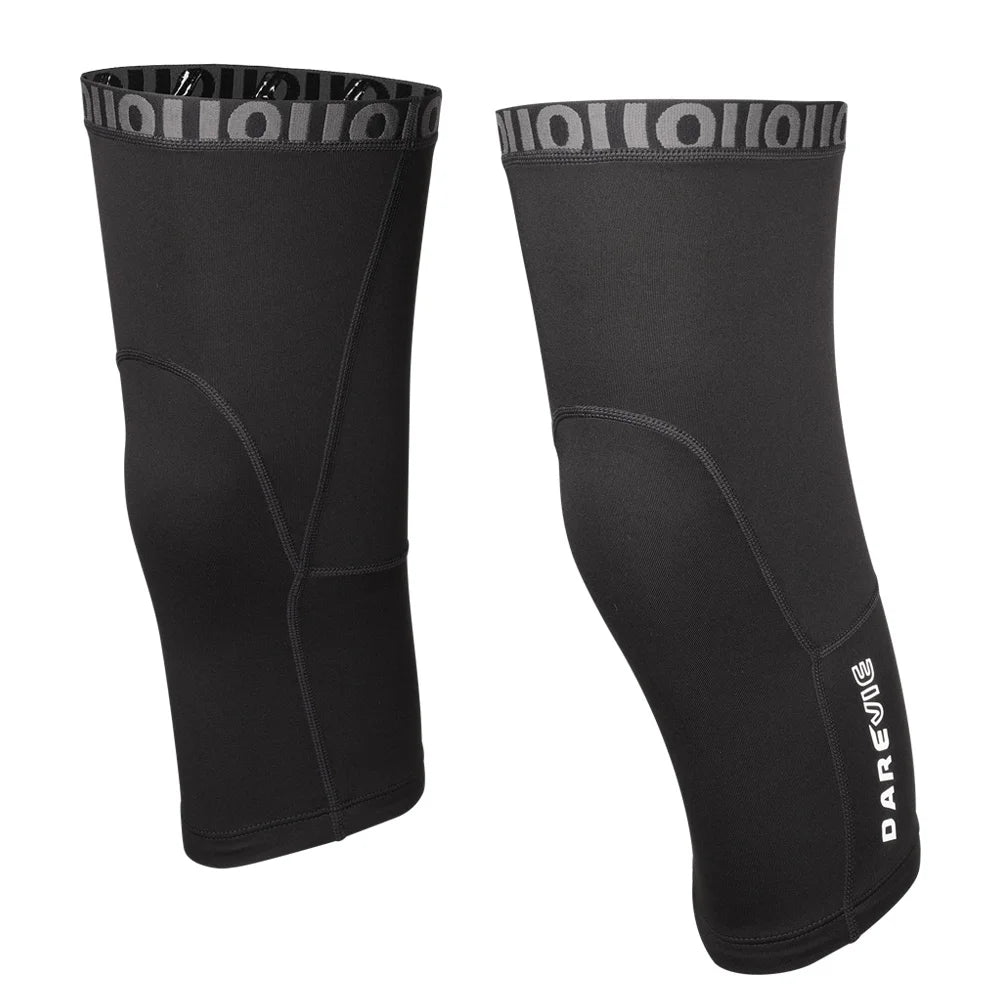
Many riders rely on cycling leg warmers because they are easy to add or remove during changing conditions.
Adaptable lower-body layers are key bike clothing winter essentials
Feet
Feet are exposed to cold airflow while cycling, making thermal socks and shoe covers important winter essentials. Water-resistant protection is especially useful in wet conditions.
For recovery and post-ride comfort, explore options from the Body Care and Health Devices collection.
Waterproof vs water-resistant winter cycling gear
Choosing between waterproof and water-resistant bike clothing winter options depends on your climate. Maximum protection is not always the best choice if it creates excessive heat and moisture buildup.
When waterproof matters
- Frequent rain or wet snow
- Long rides where staying dry is important
- Cold conditions where wet clothing quickly reduces warmth
When breathable is better
- High-intensity cycling sessions
- Dry but cold weather
- Situations where sweat management matters most
A breathable softshell often works well for dry winter rides, while waterproof shells are better for wet climates. The right choice depends on balancing weather protection and ventilation.
Adjust your gear for different riding conditions
Road cycling
Road cyclists face higher wind exposure because of speed. Prioritize aerodynamic layers, wind protection, and lightweight insulation.
Commuting
Winter commuters need versatile gear that handles temperature changes before, during, and after the ride. Waterproof protection and visibility accessories are especially valuable.
Gravel riding
Gravel riders often experience changing terrain and lower speeds. Durable outer layers, mud protection, and flexible clothing improve comfort.
Mountain biking
Mountain biking involves frequent changes in effort level. Breathable fabrics, durable layers, and moisture protection help handle demanding trails.
Visibility and safety for winter cycling
Shorter daylight hours and poor weather make visibility a major part of any winter cycling gear checklist.
Lights
- Use front and rear lights in low-light conditions
- Charge batteries before longer rides
- Carry backup power when possible
Reflective clothing
- Choose jackets and tights with reflective details
- Wear high-contrast colors in cloudy weather
- Improve visibility from multiple angles
Eye protection
Clear-lens eyewear protects against cold wind, rain, and road spray. Cold-weather eye protection solutions can be found in the Eye Care Devices collection.
Tires, traction, and bike setup for winter riding
Winter riding requires more than warm clothing. Your bike setup affects grip, stability, and confidence on cold roads.
Winter tires
Choose tires based on your conditions. Wet roads require dependable grip, while icy environments may require specialized winter tires for additional traction.
Tire pressure
Adjust tire pressure carefully for changing conditions. Slightly lower pressure may improve road contact, but avoid going too low because it can increase puncture risk.
Fenders and mudguards
Fenders reduce water and mud spray, helping keep clothing cleaner and more comfortable during wet winter rides.
Winter bike maintenance essentials
Before every ride
- Check tire pressure
- Inspect brakes and drivetrain
- Confirm lights are charged
After every ride
- Remove water and road salt
- Clean dirty components
- Lubricate moving parts
- Dry equipment before storage
Common winter cycling clothing mistakes (and how to avoid them)
- Overdressing and creating sweat buildup
- Wearing cotton that traps moisture
- Ignoring wind chill
- Neglecting hands, feet, and head protection
- Choosing layers without ventilation
Winter cycling gear checklist
Must-have
- Moisture-wicking base layer
- Thermal mid-layer
- Windproof jacket
- Warm gloves
- Thermal socks
- Leg protection
Nice-to-have
- Waterproof shell
- Reflective clothing
- Neck warmer
- Extra liner gloves
Extreme cold additions
- Insulated winter cycling shoes
- Full face protection
- Additional thermal layers
Pre-ride and post-ride winter checklist
Before leaving
- Check weather conditions
- Select appropriate layers
- Inspect tires, brakes, and lights
- Pack repair essentials
After returning
- Dry wet clothing
- Clean salt and moisture from the bike
- Store gear properly
Confidence comes from knowing exactly what to wear winter cycling
Frequently asked questions
What gear do you need for winter cycling?
The essential winter cycling gear checklist includes moisture-wicking layers, insulation, wind protection, warm gloves, thermal socks, visibility equipment, and suitable bike accessories.
What should you wear cycling in winter?
Wear breathable layers that manage sweat, trap warmth, and protect against wind and moisture. The right outfit depends on temperature, ride intensity, and weather conditions.
How many layers should you wear for winter cycling?
Most riders use two to three layers. Colder weather and longer rides may require additional insulation.
What is the best clothing for winter cycling?
The best clothing combines moisture management, insulation, and weather protection. A flexible layering system usually performs better than one bulky garment.
Do you need waterproof clothing for winter cycling?
Waterproof clothing is useful for rain and snow, but breathable water-resistant layers may be better for dry cold conditions.
What tires are best for winter cycling?
The best tires depend on your environment. Wet roads need reliable grip, while icy conditions may require specialized winter tires.
How do you stay warm without overheating while cycling in winter?
Use breathable layers, avoid cotton, and choose clothing with ventilation options. Start slightly cool because your body temperature rises once you begin riding.
What should beginners buy first for winter cycling?
Beginners should start with a quality base layer, windproof jacket, gloves, warm socks, and visibility gear before adding specialized equipment.
Do you need special winter cycling shoes?
Special winter cycling shoes are helpful for frequent cold-weather riders, but shoe covers and thermal socks can be enough for many cyclists.
Are waterproof jackets always the best choice?
No. Waterproof jackets provide excellent protection in wet weather, but breathable options may offer better comfort during high-effort rides.
- Cold Legs During Cycling? Fix It Before Your Next Ride
- Keeping Legs Warm Cycling Without Bulky Winter Tights
- Unisex Winter Cycling Leg Warmers Compared for Fit and Warmth
Explore More:
- Compression Cycling Leg Warmers: Which Help Fatigue Most?
- Cycling Leg Warmers for Winter: 5 Options by Temperature
Pillar Article: Not Found
Explore More:













