

How to Reduce Post Workout Soreness: Easy Recovery Steps
Struggling with aching muscles after workouts? Learning how to reduce post workout soreness can help you return to training comfortably, maintain consistency, and minimize unnecessary downtime. While some soreness is a normal part of adaptation, the right recovery habits—including hydration, nutrition, sleep, gentle movement, and targeted massage—can help your body recover more efficiently.
⏱ 8 min read
Discover simple tools that can support muscle recovery alongside healthy recovery habits.
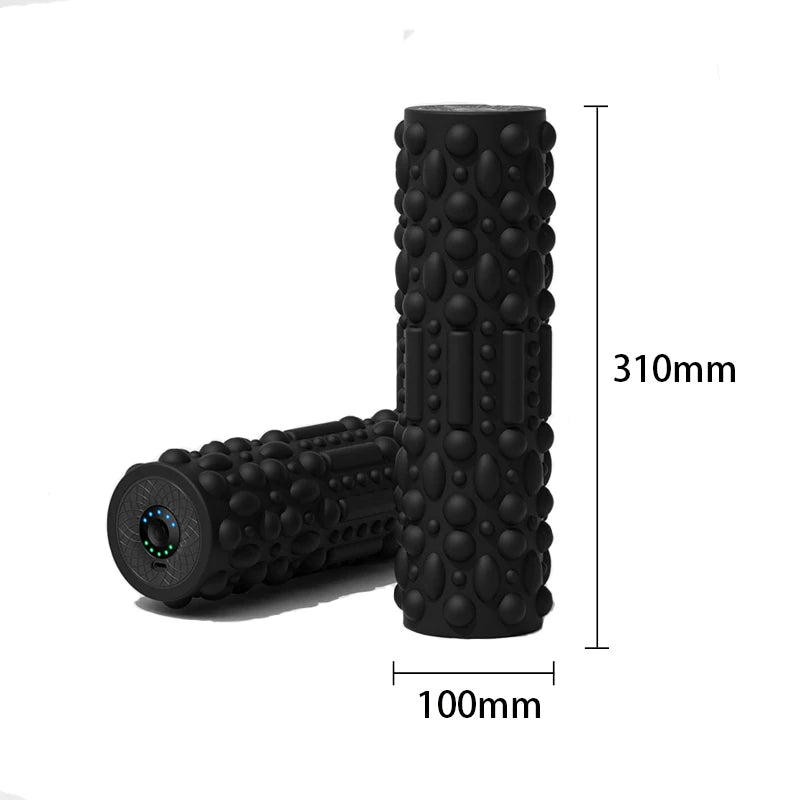
Support muscle recovery with practical at-home techniques and recovery tools.
What Is Post-Workout Muscle Soreness (DOMS)?
Most people experience post workout muscle soreness after performing unfamiliar exercises, increasing workout intensity, or emphasizing eccentric movements such as downhill running or slow lowering during strength training. This condition is known as delayed onset muscle soreness (DOMS).
What causes delayed onset muscle soreness?
DOMS develops because exercise creates tiny amounts of stress within muscle fibers. During recovery, your body repairs these microscopic changes, allowing muscles to become stronger and more resilient over time. Mild inflammation and temporary sensitivity are normal parts of this process.
Normal soreness vs. muscle injury
DOMS usually feels like generalized stiffness, tenderness, and reduced range of motion that gradually improves. A muscle injury is different and may involve:
- Sharp or sudden pain during exercise
- Noticeable swelling or bruising
- Loss of strength or inability to bear weight
- Pain that worsens instead of improving
How long does DOMS last?
DOMS typically begins 12–24 hours after exercise, peaks around 24–72 hours, and gradually resolves within several days. Recovery speed depends on workout intensity, sleep, nutrition, hydration, and previous training experience.
Best Ways to Reduce Muscle Soreness After Exercise
The best ways to reduce muscle soreness combine evidence-supported recovery habits rather than relying on a single solution.
Stay active with light recovery
Gentle walking, cycling, swimming, or mobility exercises increase blood flow without placing excessive stress on recovering muscles. Light activity often reduces stiffness more effectively than complete inactivity.
Hydrate and eat for muscle repair
Proper hydration supports normal muscle function, while balanced meals containing carbohydrates and high-quality protein help replenish energy stores and provide amino acids needed for muscle repair.
Prioritize quality sleep
Much of muscle recovery occurs during sleep. Aim for consistent sleep schedules whenever possible to support tissue repair and overall athletic recovery.
Use massage, foam rolling, or recovery tools
Massage, foam rolling, and self-massage devices may temporarily reduce muscle soreness, improve comfort, and increase short-term flexibility. These approaches work best when combined with movement, nutrition, and adequate rest.
Apply heat or cold appropriately
Cold therapy may help immediately after strenuous exercise when swelling is present, while gentle heat can help ease stiffness later during recovery. Choose the method that best matches your symptoms rather than applying either routinely.
Consistent recovery habits can reduce soreness and improve long-term performance.
Step-by-Step Recovery Routine After a Workout
Immediately after exercise
- Drink water to replace fluid losses.
- Perform 5–10 minutes of easy walking or cycling.
- Complete gentle stretching for the muscles you trained.
- Eat a balanced meal containing carbohydrates and protein within the next couple of hours.
First 24 hours
- Continue light movement instead of prolonged sitting.
- Prioritize hydration throughout the day.
- Sleep adequately.
- Use massage, foam rolling, or recovery devices if muscles feel especially tight.
24–72 hours if soreness continues
- Resume light exercise if discomfort is improving.
- Gradually return to normal training intensity.
- Avoid repeating maximal-intensity sessions while muscles remain significantly sore.
How Massage Tools Can Support Muscle Recovery
Recovery devices should be viewed as supportive tools rather than replacements for sleep, nutrition, and progressive training.
Massage balls vs. foam rollers
| Tool | Best For | Advantages |
|---|---|---|
| Massage ball | Small trigger points | Targets specific muscles precisely |
| Foam roller | Large muscle groups | Covers broader areas quickly |
| Massage gun | General muscle relaxation | Requires minimal physical effort |
When recovery devices help
People often find recovery devices most useful after strength training, long runs, recreational sports, or prolonged sitting. They can temporarily reduce feelings of tightness and improve comfort before mobility exercises.
What the evidence says
Research suggests self-massage techniques, including foam rolling and massage devices, may help reduce perceived muscle soreness and improve short-term flexibility. Results vary between individuals, but these methods are generally most effective when combined with established recovery practices.
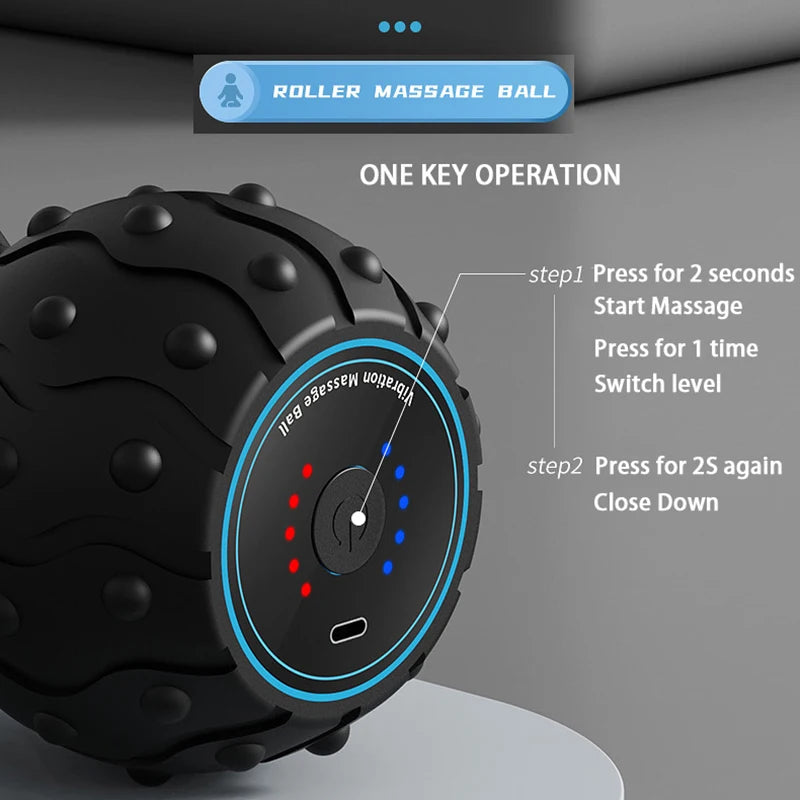
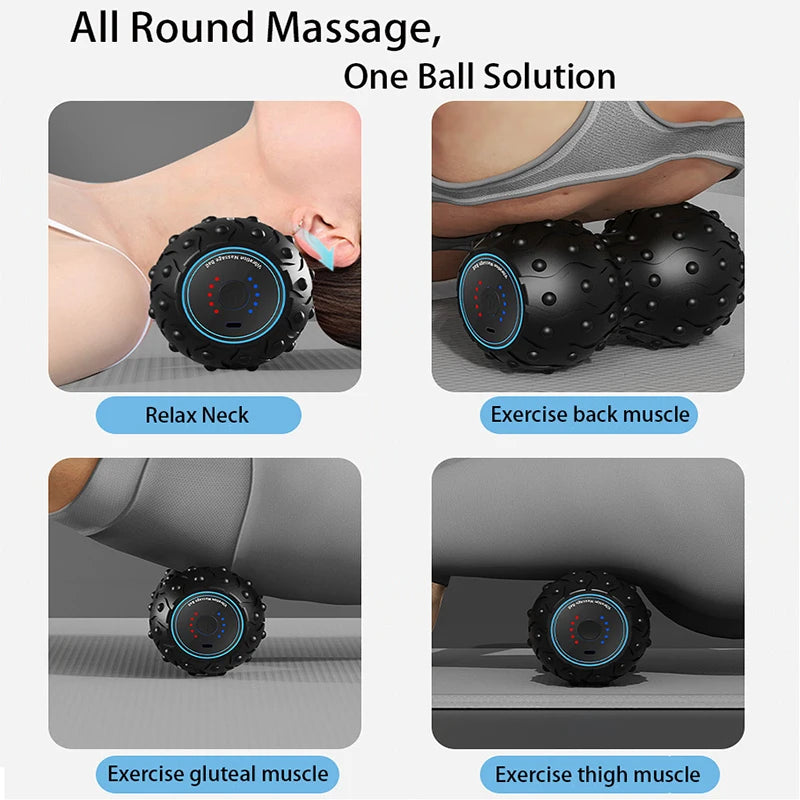
This vibrating massage ball provides targeted vibration therapy for localized muscle groups. Used for several minutes after exercise, it can complement stretching and active recovery by helping relax tight muscles and improve comfort.
- Targets specific muscle knots
- Portable for home, gym, or travel
- Easy to incorporate into a 5–10 minute recovery routine
- Can be combined with stretching or mobility work
Recovery Methods Compared: Which Ones Actually Work?
| Recovery Method | Scientific Support | Best Use | Limitations |
|---|---|---|---|
| Light activity | High | Reduce stiffness | Should remain low intensity |
| Sleep | High | Whole-body recovery | Requires consistent habits |
| Protein and hydration | High | Muscle repair | Benefits depend on overall diet |
| Massage tools | Moderate | Temporary soreness relief | Supportive rather than essential |
| Professional massage | Moderate | Persistent muscle tightness | Higher cost and less accessible |
| Complete rest only | Limited | Severe fatigue | May prolong stiffness |
Combining multiple evidence-based recovery strategies generally produces better results than relying on a single approach.
Explore more recovery-friendly tools in Body Care and Health Devices designed for everyday muscle care.
Recovery Methods That Are Myths or Have Limited Evidence
- More soreness means a better workout. Not necessarily. Progress comes from consistent training, not excessive soreness.
- Complete bed rest speeds recovery. Gentle movement is usually more helpful for uncomplicated DOMS.
- Stretching alone eliminates DOMS. Stretching may improve flexibility but has only modest effects on soreness.
- Recovery devices replace proper sleep and nutrition. No recovery tool can compensate for poor recovery habits.
How to Prevent Severe Muscle Soreness After Future Workouts
Warm up effectively
Prepare muscles with dynamic movements that gradually increase heart rate before beginning strenuous exercise.
Progress training gradually
Avoid increasing workout volume or intensity too quickly. Progressive overload allows muscles to adapt with less severe DOMS.
Recover consistently
Regular hydration, balanced nutrition, adequate protein intake, quality sleep, and active recovery reduce the likelihood of prolonged soreness between workouts.
Consistent recovery habits help reduce soreness and support long-term training progress.
When Muscle Soreness Is a Sign to See a Healthcare Professional
Most delayed onset muscle soreness improves within a few days. However, seek medical evaluation if you experience:
- Severe pain immediately during exercise
- Significant swelling or bruising
- Loss of muscle function
- Numbness or tingling
- Dark-colored urine after intense exercise
- Soreness lasting longer than one week without improvement
Stop exercising if pain is sharp or worsening rather than gradually improving.
Frequently Asked Questions About Post-Workout Muscle Soreness
What causes delayed onset muscle soreness (DOMS)?
DOMS results from microscopic muscle damage and the normal repair process following unfamiliar or challenging exercise.
How long does post-workout soreness usually last?
Most soreness peaks within 24–72 hours and improves over the following few days.
What is the fastest way to recover from sore muscles?
Hydration, light movement, balanced nutrition, quality sleep, and massage techniques together provide the most reliable recovery strategy.
Should you work out when sore?
Light exercise is usually appropriate if soreness is mild. Delay high-intensity sessions if muscles remain significantly painful or weak.
Does stretching reduce DOMS?
Stretching can improve flexibility and reduce stiffness, but it is only one part of a complete recovery plan.
Are massage guns and massage balls effective for muscle recovery?
They may temporarily reduce perceived soreness and improve comfort, particularly when combined with evidence-based recovery habits.
Is heat or ice better for sore muscles?
Ice may be useful immediately after intense activity when swelling is present, while heat is often preferred later for easing stiffness.
When is muscle soreness a sign of injury instead of DOMS?
Sharp pain, severe swelling, bruising, loss of function, or symptoms that worsen instead of improving should be evaluated by a healthcare professional.
Pair smart recovery habits with targeted self-massage to help your muscles feel ready for your next workout.
Pillar Article: How to use massage ball: Step-by-Step Full Body Relief Guide
Other Related Articles:
- Massage ball for muscle knots: How to Target Pain Fast
- Manual massage ball: How to Use It for Deep Relief
- Massage ball exercises: Easy Moves to Release Tight Muscles
Explore More:













