

Does a massage ball for muscle knots really work?
Yes. A massage ball for muscle knots can be an effective self-myofascial release tool when used correctly. By applying controlled pressure to tight bands of muscle, often called trigger points, it helps reduce muscle tension, improve local circulation, increase mobility, and temporarily relieve discomfort. While it won't treat every cause of muscle pain, it is one of the most practical ways to manage everyday muscle knots at home, especially those caused by repetitive movements, prolonged sitting, exercise, or poor posture.
Massage ball for muscle knots: How to Target Pain Fast
A massage ball for muscle knots offers targeted relief by reaching deep into areas that larger recovery tools often miss. Whether you're dealing with tight shoulders from desk work, a stiff lower back after lifting, or sore hips following exercise, the right technique can help release trigger points, restore flexibility, and improve daily comfort. This guide explains how massage ball trigger point therapy works, when it is most effective, and how to use it safely for faster muscle recovery.
⏱ 5 min read
Discover how a simple massage ball can help release stubborn muscle knots in just a few minutes.
Target deep muscle tension with precise pressure for effective at-home relief.
Where is your tightest muscle knot right now—your neck, shoulders, upper back, or lower back? Using the correct technique and amount of pressure can make trigger point therapy more effective while reducing unnecessary discomfort.
Explore more recovery tools in Body Care and Health Devices.
How This Massage Ball Relieves Muscle Knots Fast
A massage ball for muscle knots delivers focused pressure directly to trigger points that commonly develop after repetitive activities, exercise, prolonged sitting, or poor posture. This targeted compression encourages muscles to relax, improves blood flow to the area, and helps restore normal movement. Because of its compact size, a massage ball can reach smaller muscles that are difficult to treat with larger recovery tools like foam rollers.
- Targets specific trigger points with precision.
- Helps relieve muscle tightness and stiffness.
- Supports flexibility and range of motion.
- Works well for the neck, shoulders, back, hips, calves, and feet.
- Fits easily into a daily recovery or stretching routine.
Unlike broad foam rollers, a muscle knot massage ball allows you to adjust pressure exactly where you need it, making it a practical option for self-myofascial release at home.
Step-by-Step: How to Use a Massage Ball for Instant Relief
Using proper self massage ball techniques helps maximize relief while minimizing unnecessary soreness. Apply steady, controlled pressure rather than rolling quickly over the muscle.
- Locate the trigger point: Position the massage ball between your body and a firm surface, such as a wall or the floor, until you find a tender, tight area.
- Apply gradual pressure: Lean into the ball slowly. Aim for moderate discomfort rather than sharp pain, and avoid holding your breath.
- Hold for 20–60 seconds: Maintain steady pressure until the muscle begins to relax or the tenderness decreases.
- Roll slowly around the area: Move the ball a few centimeters at a time to release surrounding muscle fibers without rushing.
- Repeat as needed: Spend 1–2 minutes on each muscle group and allow at least 24 hours before treating the same sensitive spot aggressively again.
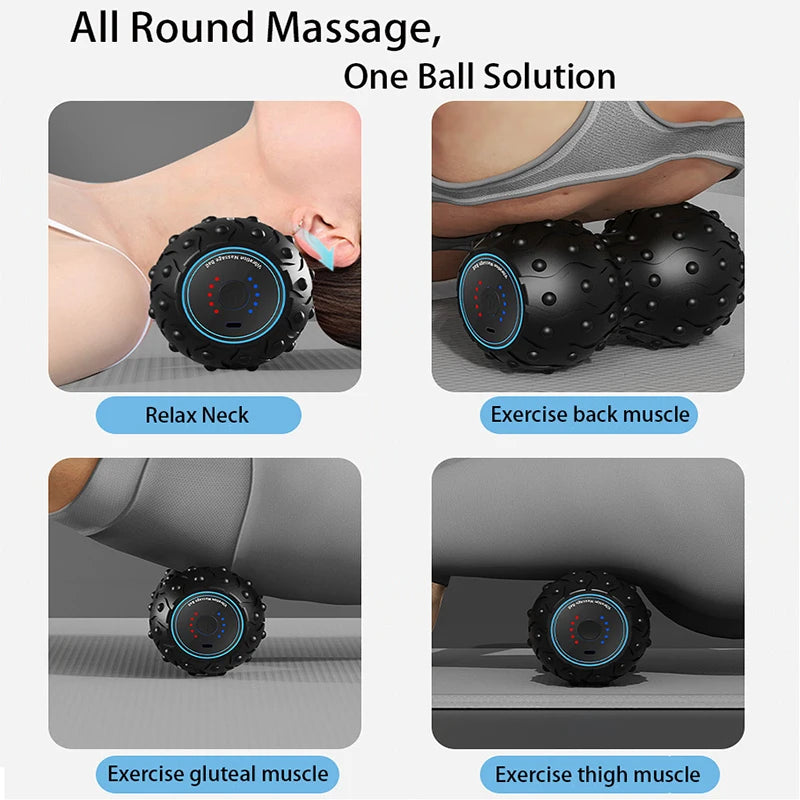
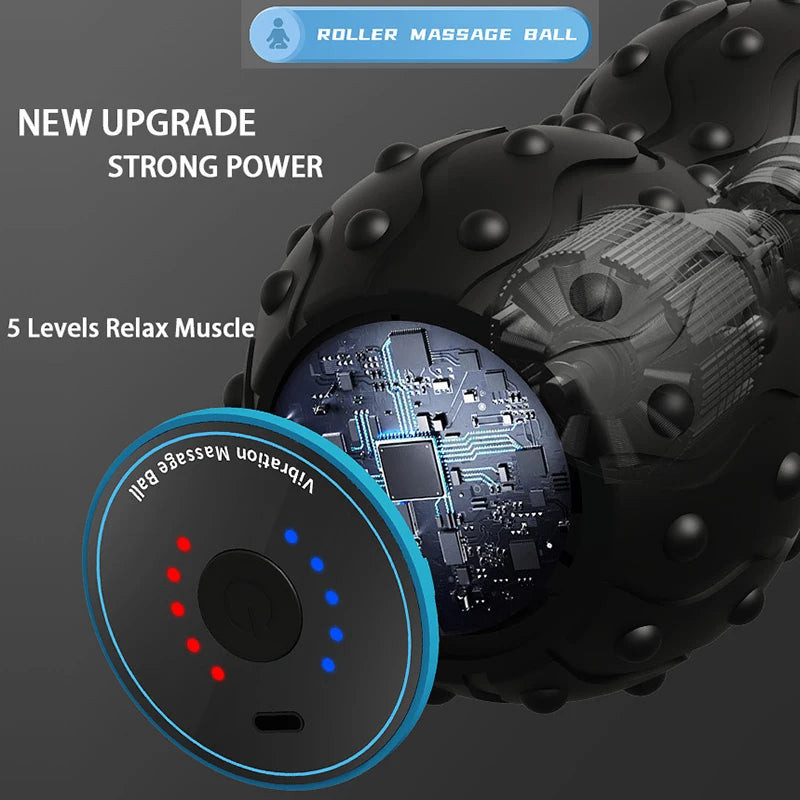
For enhanced comfort and deeper muscle relaxation, use the vibrating massage ball. Adjustable vibration settings can help reduce muscle guarding while making trigger point therapy more comfortable for many users.
Best Areas to Target for Maximum Pain Relief
A massage ball works best on muscles that commonly develop trigger points due to repetitive movement, exercise, prolonged sitting, or poor posture. Adjust pressure based on the sensitivity of each area.
- Neck and shoulders: Use a wall to control pressure on the upper trapezius and shoulder muscles. Avoid applying direct pressure to the front of the neck or the cervical spine.
- Upper and lower back: Roll alongside the spine rather than directly on the vertebrae to release tight paraspinal muscles.
- Glutes and hips: Sit on the ball to target the gluteal muscles and hip rotators, which commonly become tight after extended periods of sitting or physical activity.
- Calves and feet: Apply gentle pressure to relieve tight calf muscles or roll the sole of the foot to ease plantar fascia tension.
Target common trigger points with controlled pressure for more effective muscle relief.
Massage Ball vs Other Recovery Tools
Each recovery tool serves a different purpose. Choosing the right option depends on the size of the muscle group, the depth of the knot, and your comfort level.
Foam roller vs massage ball
When comparing a foam roller vs massage ball, foam rollers are better suited for broad muscle groups such as the quadriceps, hamstrings, and upper back. A deep tissue massage ball provides greater precision, making it easier to target stubborn trigger points in smaller muscles.
Massage gun vs massage ball
Massage guns deliver rapid percussive therapy and are useful for warming up muscles or relieving general tightness. A massage ball, however, allows sustained pressure directly over a trigger point, making it more effective for localized muscle knots.
When to combine tools
Many people achieve the best results by combining recovery methods. Start with a foam roller or massage gun to loosen larger muscle groups, then use a massage ball to focus on persistent trigger points that require deeper, more precise pressure.
| Tool | Best For | Advantages | Limitations |
|---|---|---|---|
| Massage Ball | Deep trigger points and localized muscle knots | Highly precise, portable, excellent for self-myofascial release | Requires proper positioning and controlled pressure |
| Foam Roller | Large muscle groups | Covers wide areas quickly and improves overall mobility | Less effective for small, stubborn knots |
| Massage Gun | General muscle recovery and warm-up | Fast treatment with minimal body positioning | Less precise and may feel too intense over sensitive trigger points |
If your goal is releasing stubborn muscle knots with pinpoint accuracy, a massage ball remains one of the most effective and affordable recovery tools for home use.
Frequently Asked Questions
1. How often should I use a massage ball for muscle knots?
Answer: Most people can use a massage ball for muscle knots 3–7 days per week. Spend 30–60 seconds on each trigger point or up to 2 minutes per muscle group. If an area feels bruised or unusually sore, allow a day of recovery before treating it again.
2. What is the best massage ball for muscle knots?
Answer: The best massage ball depends on your needs. Beginners often prefer a moderately firm or vibrating massage ball because it is easier to tolerate. Experienced users may choose a firmer lacrosse-style or deep tissue massage ball for stubborn trigger points.
3. Can a massage ball help chronic back knots?
Answer: Yes. A massage ball for back knots can help reduce muscle tightness caused by poor posture, repetitive movement, or prolonged sitting. Roll alongside the spine rather than directly over the bones, and combine self-massage with stretching and strengthening exercises for better long-term results.
4. Should I use a foam roller or a massage ball?
Answer: A foam roller is ideal for treating large muscle groups, while a massage ball offers more precise pressure for small, stubborn trigger points. Many people benefit from using both tools as part of a complete recovery routine.
5. How long does it take to release a muscle knot?
Answer: Some muscle knots begin to feel less tender after one treatment session, while others require several sessions over days or weeks. The recovery timeline depends on the severity of the knot, how long it has been present, and whether contributing factors such as posture, activity level, and mobility are also addressed.
Pillar Article: How to use massage ball: Step-by-Step Full Body Relief Guide
Other Related Articles:
- Manual massage ball: How to Use It for Deep Relief
- Massage ball exercises: Easy Moves to Release Tight Muscles
- How to reduce post workout soreness: Easy Recovery Steps
Explore More:













