

Does a manual massage ball really help relieve muscle soreness?
A manual massage ball helps relieve muscle soreness by applying controlled pressure to tight muscles and trigger points. This form of self-myofascial release can improve circulation, reduce muscle tension, and support recovery after exercise or long hours of standing. Using a massage ball for 5–10 minutes per day is often enough to ease common areas of discomfort such as the feet, calves, shoulders, hips, and lower back.
Manual Massage Ball: How to Use It for Deep Relief
A manual massage ball is one of the simplest recovery tools you can add to your daily routine. Whether you're learning how to use massage tools for soreness relief, trying to reduce post-workout stiffness, or looking for an easy way to loosen tight muscles after a long day, this guide explains everything you need to know. You'll learn proper techniques, common mistakes to avoid, the best body areas to target, and how to choose the right massage ball for your needs.
⏱ 5 min read
Discover how a simple tool can transform your daily recovery routine.
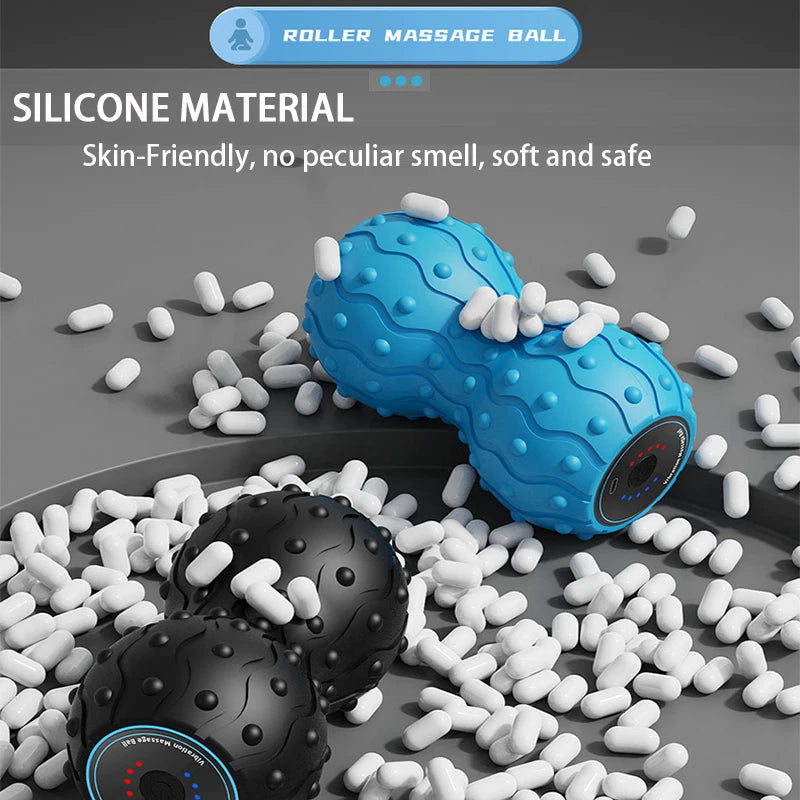
Manual massage ball for soreness relief — See it in action
What Is a Manual Massage Ball and Who Should Use One?
A manual massage ball , also called a self massage ball or myofascial release ball , is a compact recovery tool designed to apply focused pressure to tight muscles and connective tissue. Unlike powered massage devices, it lets you control the amount of pressure and the exact location of treatment.
The technique is commonly known as self-myofascial release. By slowly rolling over tender areas, you can help reduce muscle tightness, improve mobility, and encourage muscles to relax after repetitive movement or prolonged inactivity.
People who often benefit from a massage ball include:
- People with desk jobs who experience neck and shoulder tension.
- Runners, cyclists, and gym-goers recovering from workouts.
- Individuals who stand for long periods during work.
- Anyone looking for a convenient home recovery tool.
Although a massage ball is safe for most healthy adults, avoid using it directly over joints, bones, open wounds, or areas with swelling or recent injuries. If you have osteoporosis, circulation disorders, or are recovering from surgery, consult a healthcare professional before beginning self-treatment.
Manual Massage Ball Benefits Backed by Practical Use
The biggest massage ball benefits come from consistent use rather than excessive pressure. A few minutes each day can help muscles recover more comfortably between workouts or physically demanding days.
- Relieves muscle knots: Targeted pressure helps loosen tight trigger points.
- Reduces post-workout soreness: Gentle rolling may improve blood flow to recovering muscles.
- Improves mobility: Releasing tight tissue can make stretching and movement feel easier.
- Supports everyday recovery: A muscle massage ball fits easily into daily routines at home or while traveling.
Unlike larger recovery tools, a massage ball reaches smaller muscles around the shoulders, hips, feet, and upper back that are difficult to target with a foam roller.
How to Use a Manual Massage Ball for Deep Tissue Relief at Home
Step-by-Step Guide for Beginners
- Locate the tight area. Common target muscles include the calves, glutes, feet, shoulders, upper back, and thighs.
- Position the ball. Place the deep tissue massage ball between your body and a wall or the floor.
- Apply moderate pressure. Start gently and let your body weight create the pressure rather than forcing it.
- Roll slowly. Move only a few inches at a time until you find a sensitive spot.
- Pause on trigger points. Hold steady pressure for 20–30 seconds while breathing normally.
- Repeat. Spend about one to two minutes on each muscle group before moving to another area.
This method is one of the easiest ways to learn how to use a massage ball safely without making muscles feel more irritated.
Common Mistakes to Avoid
- Using maximum pressure immediately instead of gradually increasing intensity.
- Rolling too quickly over muscles.
- Massaging directly over joints or the spine.
- Spending more than two minutes on one painful trigger point.
- Ignoring sharp or radiating pain instead of stopping.
Safety Tips and Contraindications
- Keep pressure at a level that feels uncomfortable but manageable.
- Breathe steadily to help muscles relax.
- Stop if numbness, tingling, or sharp pain develops.
- Allow sore muscles to recover if they become overly tender after treatment.
Want a more advanced experience? Try a vibrating massage ball to combine precise trigger point work with adjustable vibration.
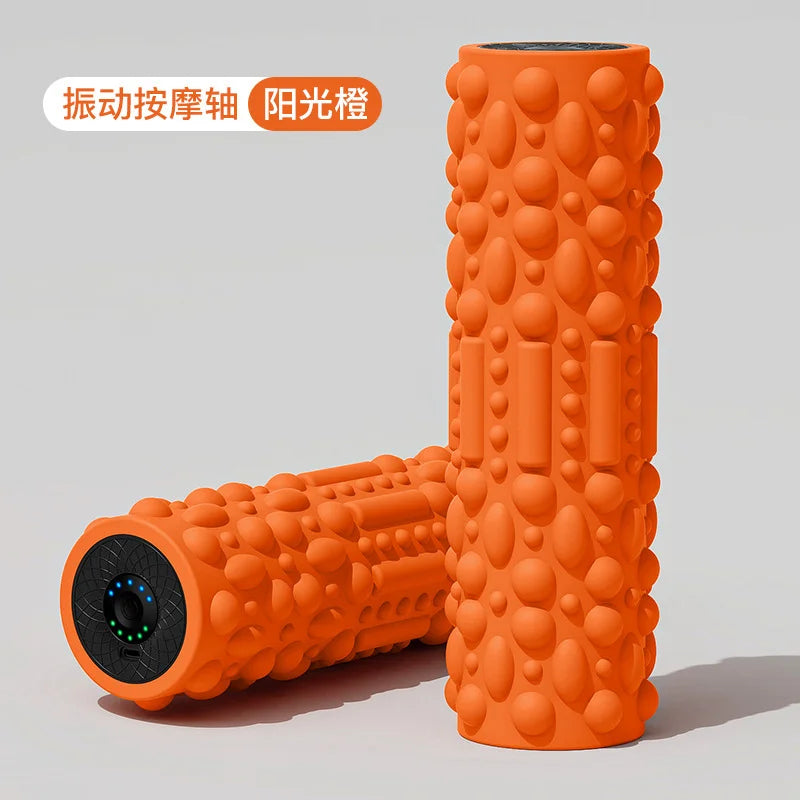
How to use massage tools for soreness relief — See it in action
Best Massage Ball Exercises for Common Pain Areas
Feet and Plantar Fascia
Roll the ball beneath your foot while seated. Move slowly from the heel toward the toes for one to two minutes. This exercise may help reduce foot fatigue after walking or standing throughout the day.
Calves and Legs
Place the massage ball beneath your calf while sitting on the floor or lean against a wall. Slowly roll across tight areas to ease leg soreness from constant standing parenting tasks or long work shifts.
Back and Shoulders
Stand against a wall and position the ball between your shoulder blade and the wall. Make slow circular movements while avoiding direct pressure on the spine.
Neck, Hips, and Hands
Use light pressure around the upper neck muscles, glutes, hip rotators, and palm muscles. These smaller areas often respond well to the precise contact provided by a trigger point massage ball.
| Body Area | Primary Benefit | Recommended Technique |
|---|---|---|
| Feet | Relieves foot fatigue | Slow seated rolling |
| Calves | Reduces muscle tightness | Wall or floor rolling |
| Shoulders | Eases tension from desk work | Wall-supported trigger point release |
| Lower Back | Relieves surrounding muscle stiffness | Gentle pressure beside the spine |
| Glutes | Improves hip mobility | Slow seated pressure holds |
How This Simple Routine Fits Busy Parents’ Daily Lives
Between work, errands, and parenting, finding time for recovery can feel impossible. A manual massage ball makes short recovery sessions practical because it requires very little space or setup.
5-Minute Daily Muscle Recovery Routine for Busy Parents
- Morning: Roll the feet and calves for one minute to wake up circulation.
- Afternoon: Release shoulder tension during a short work break.
- Evening: Focus on calves and thighs after standing throughout the day.
- Before bed: Gently massage the upper back to encourage relaxation.
This simple habit helps support a daily muscle recovery routine for busy parents without requiring lengthy stretching sessions.
Pairing this habit with tools from Body Care and Health Devices can further support your recovery routine.
Manual Massage Ball vs Other Recovery Tools
Massage Ball vs Massage Gun
A massage gun covers larger muscle groups quickly using percussion, while a manual massage ball provides better precision for individual trigger points and smaller muscles.
Foam rollers work well for broad muscles such as the quadriceps and hamstrings. A massage ball reaches deeper into smaller areas like the feet, hips, shoulders, and glutes.
Massage Ball vs Lacrosse Ball
A lacrosse ball can work for self-massage because of its firmness, but massage balls designed specifically for recovery often feature materials and textures that improve grip and user comfort.
| Tool | Best For | Advantages | Limitations |
|---|---|---|---|
| Manual Massage Ball | Trigger points and small muscles | Affordable, portable, precise | Requires manual positioning |
| Foam Roller | Large muscle groups | Covers broad areas quickly | Less accurate on small knots |
| Massage Gun | Rapid muscle recovery | Minimal effort | Higher cost and bulkier |
| Lacrosse Ball | Occasional self-massage | Firm and inexpensive | Designed for sport rather than recovery |
Looking for additional intensity? The vibrating massage ball offers targeted pressure together with adjustable vibration.
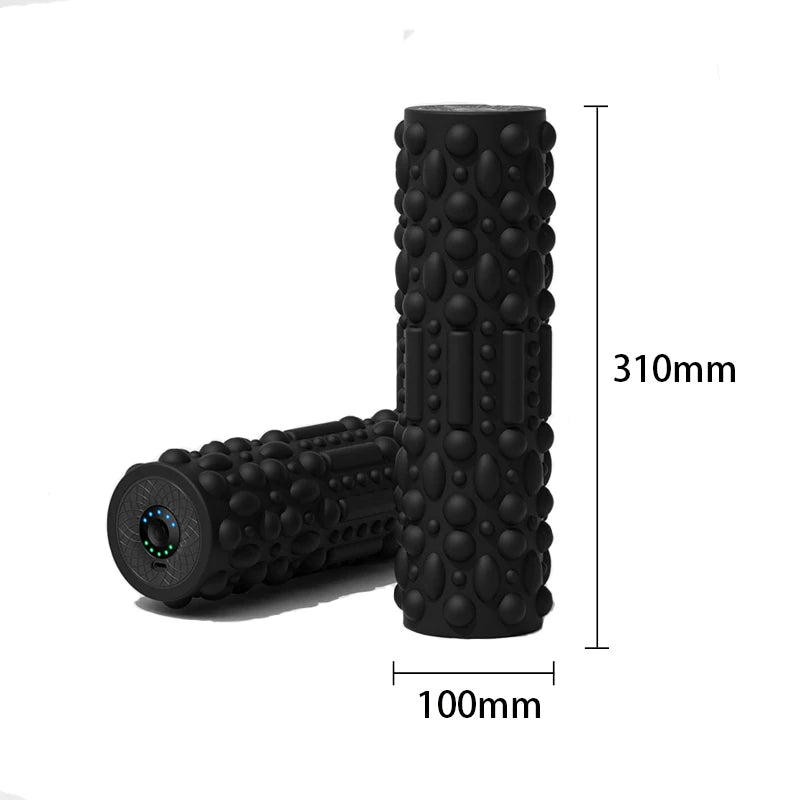
Daily muscle recovery routine for busy parents — See it in action
How to Choose the Right Manual Massage Ball
Not all massage balls feel the same. Choosing the right size and firmness can make self-massage more comfortable and effective.
- Soft firmness: Suitable for beginners and sensitive muscles.
- Medium firmness: Good for general recovery and everyday use.
- Firm: Better for experienced users targeting stubborn trigger points.
- Small diameter: Ideal for feet, hands, shoulders, and neck.
- Larger diameter: Better for hips, glutes, and thighs.
- Smooth surface: Easier to clean and comfortable for most users.
- Textured surface: Provides additional sensory feedback during rolling.
Cleaning, Care, and Maintenance
Keeping your massage ball clean extends its lifespan and improves hygiene.
- Wipe the surface after use with a damp cloth and mild soap.
- Allow it to air dry completely before storing.
- Store in a cool, dry location away from direct sunlight.
- Replace the ball if it becomes cracked, flattened, or loses its shape.
Why Users Keep Coming Back to This Simple Tool
A manual massage ball continues to be popular because it offers targeted muscle relief without batteries, charging, or complicated setup. It fits easily into a gym bag, desk drawer, or travel luggage, making it practical for consistent home and on-the-go recovery.
For many people, its greatest value is convenience. Short, regular sessions are often easier to maintain than occasional longer recovery routines, helping support better mobility and muscle comfort over time.
Get yours now — limited stock!
Frequently Asked Questions
How often should I use a manual massage ball?
Most people benefit from using a manual massage ball daily for 5–10 minutes. Focus on tight muscles rather than treating the entire body in one session.
Can it help with leg soreness from standing all day?
Yes. Rolling the feet, calves, and hips can help reduce muscle tightness and improve comfort after prolonged standing.
Is it safe for beginners?
Yes. Begin with gentle pressure and gradually increase intensity as your muscles adapt.
What's the difference between manual and vibrating massage balls?
A manual massage ball relies entirely on body weight and positioning, while vibrating versions add adjustable vibration to help muscles relax with less manual effort.
Can I use it as part of a daily muscle recovery routine for busy parents?
Absolutely. Short sessions throughout the day are often enough to support recovery without adding significant time to your schedule.
Can a manual massage ball replace a massage gun?
For precise trigger point work, yes. For quickly treating large muscle groups, a massage gun may be more efficient.
What firmness is best for beginners?
A medium or slightly soft massage ball is usually the most comfortable starting point while learning proper technique.
How long should you massage each trigger point?
Apply steady pressure for approximately 20–30 seconds, then move on once the muscle begins to relax.
Can I use a massage ball every day?
Yes, provided you avoid excessive pressure and allow particularly sore muscles time to recover if needed.
Is a massage ball better than a foam roller for small muscles?
Generally yes. A massage ball offers greater precision for the feet, shoulders, hips, neck, and hands.
How do I clean a manual massage ball?
Wash it with mild soap and water, dry it thoroughly, and store it in a clean, dry place between uses.
Can a massage ball help plantar fasciitis?
Gentle rolling under the foot may help reduce tension in the plantar fascia for some people. If pain is severe or persistent, seek medical advice.
Who should avoid using a massage ball?
People with acute injuries, open wounds, fractures, severe osteoporosis, or certain circulation disorders should consult a healthcare professional before using one.
Pillar Article: How to use massage ball: Step-by-Step Full Body Relief Guide
Other Related Articles:
- Massage ball for muscle knots: How to Target Pain Fast
- Massage ball exercises: Easy Moves to Release Tight Muscles
- How to reduce post workout soreness: Easy Recovery Steps
Explore More:













