

Does an early acne detection tool really work?
Answer: An early acne detection tool helps spot inflammation, clogged pores, or bacterial hotspots beneath the skin surface before visible breakouts form. By combining UV/blue light imaging and algorithmic tracking, an early acne detection tool gives actionable alerts so you can treat trouble spots faster and reduce full-blown breakouts.
⏱ 7 min read
Early Acne Detection Tool Reviews: Best Options for Clearer Skin
Worried about surprise breakouts before a big day? If you’re tired of reactive routines and want a smarter way to spot clogged pores and early inflammation, read on—this guide compares top early acne detection tool picks, shows where each fits best, and helps you choose a practical, science-backed path toward fewer flare-ups.
What is an early acne detection tool and why does it matter?
An early acne detection tool is a personal skin device or app that uses targeted lighting (UV/blue), magnified imaging, or algorithmic analysis to reveal inflammation, clogged follicles, or bacterial activity before pimples are visible. It’s designed to give you time to act—spot, treat, and prevent.
Curious which devices fit a busy schedule or sensitive skin? Keep reading for side-by-side comparisons and real user outcomes.
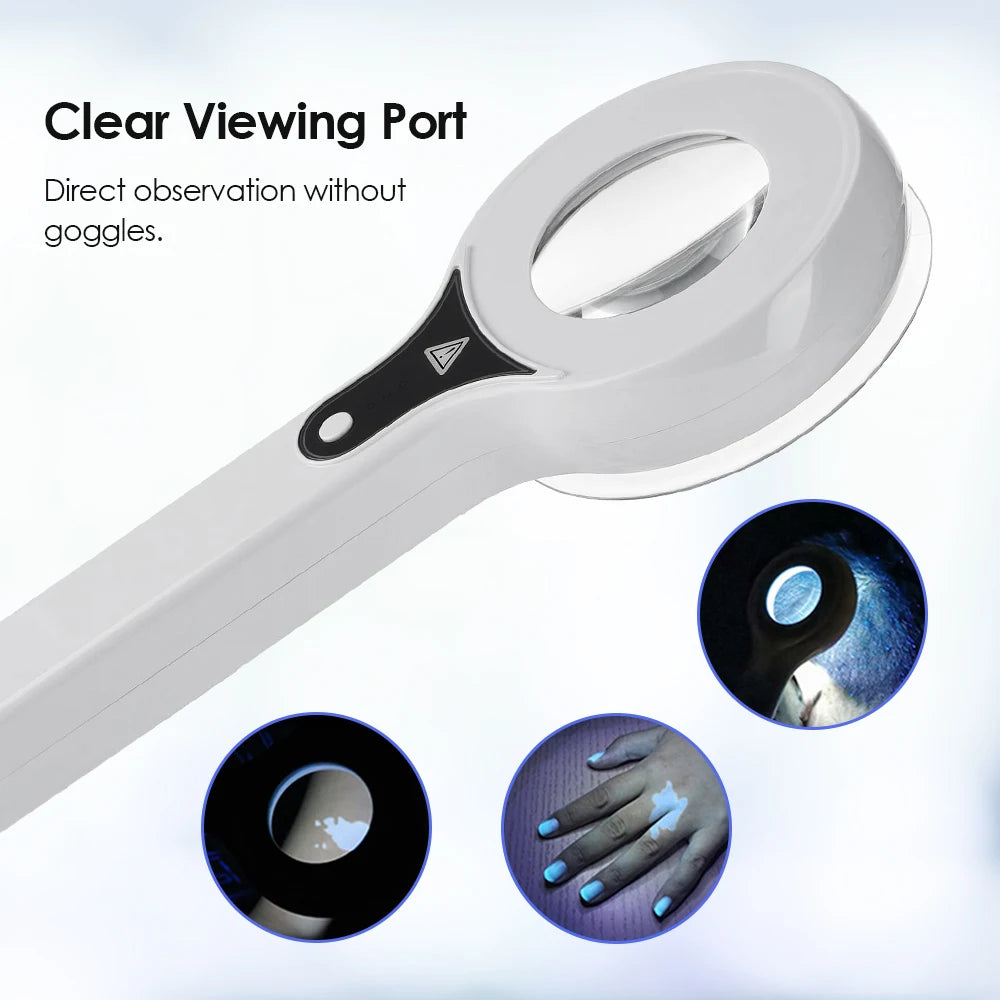
early acne detection tool - KentDO 💡 See it in action — check product details here.
Which style suits you best? Read on! Whether you want a pocket scanner, a countertop analyzer, or a mirror with built-in imaging — there’s a fit for every lifestyle.
How this tool spots trouble fast so you can stop breakouts sooner
Benefit: Detect hidden inflammation before it rises
These tools highlight redness, porphyrins (bacterial markers), and sebum-blocked pores that aren’t yet raised. Catching those signs means targeted spot treatments and less aggressive daily regimens.
Benefit: Save time and stress with data-driven tracking
Many devices pair with apps to log trends, so you can test whether a new cream helps or worsens micro-inflammation.
- Reduces “trial-and-error” product stacking
- Helps prioritize spot treatments over heavy daily exfoliation
- Provides evidence to show a dermatologist
Top early acne detection tool options — side-by-side
Direct answer: An early acne detection tool shows early inflammation and porphyrins under the skin using special lighting and imaging, allowing targeted treatment before pimples surface (40–60 words).
Below are practical picks organized by use-case: travel-friendly, home lab-quality, and budget-friendly imaging. Each choice lists where it fits best, strengths, and limitations.
Pocket spot scanner — for on-the-go checks
Best for quick checks before meetings, photo shoots, or travel. Small, battery-powered, and often includes one-touch imaging.
Countertop lamp analyzer (detailed imaging)
Best for deep analysis and trend tracking. These typically deliver higher-resolution visuals and app sync for long-term monitoring. Example: KentDO Woods Lamp Skin Analyzer.
Mirror-integrated devices
Best for daily routines; integrates into morning rituals with lighting modes and quick comparisons.
Quick comparison table
| Feature | Pocket scanner | Countertop analyzer | Mirror device |
|---|---|---|---|
| Best for | Travel, quick checks | In-depth tracking | Daily routine integration |
| Imaging tech | Blue light spot scan | UV + polarized + app | LED + macro lens |
| Price range | $30–$80 | $120–$350 | $80–$180 |
| Best if you want | Speed | Accuracy & tracking | Convenience |
| Recommended product | Brand A pocket scanner | KentDO Woods Lamp Skin Analyzer | Mirror Pro X |
Who benefits most from an early acne detection tool?
Ideal users include teens and adults who: experience frequent sudden breakouts, are trying new active ingredients, or want to reduce days spent with visible inflammation. Also useful for anyone tracking results of topical prescriptions.
bashPeople with sensitive or reactive skin
If your skin reacts to new products, these tools let you quickly identify whether the reaction is local inflammation or surface irritation.
How to use these tools effectively — simple routine
- Start with clean, makeup-free skin and consistent lighting.
- Capture baseline images (week 0) and annotate any known trouble spots.
- Use the device 2–3 times weekly, or daily if you’re actively treating.
- Log topical changes and flare-ups alongside images to identify triggers.
Follow the routine above for 4–6 weeks to see measurable changes in inflammation and fewer full breakouts.
Tip: Use a gentle spot treatment when the device flags a hotspot. Targeted benzoyl peroxide or a sulfur-based patch can abort a developing lesion.
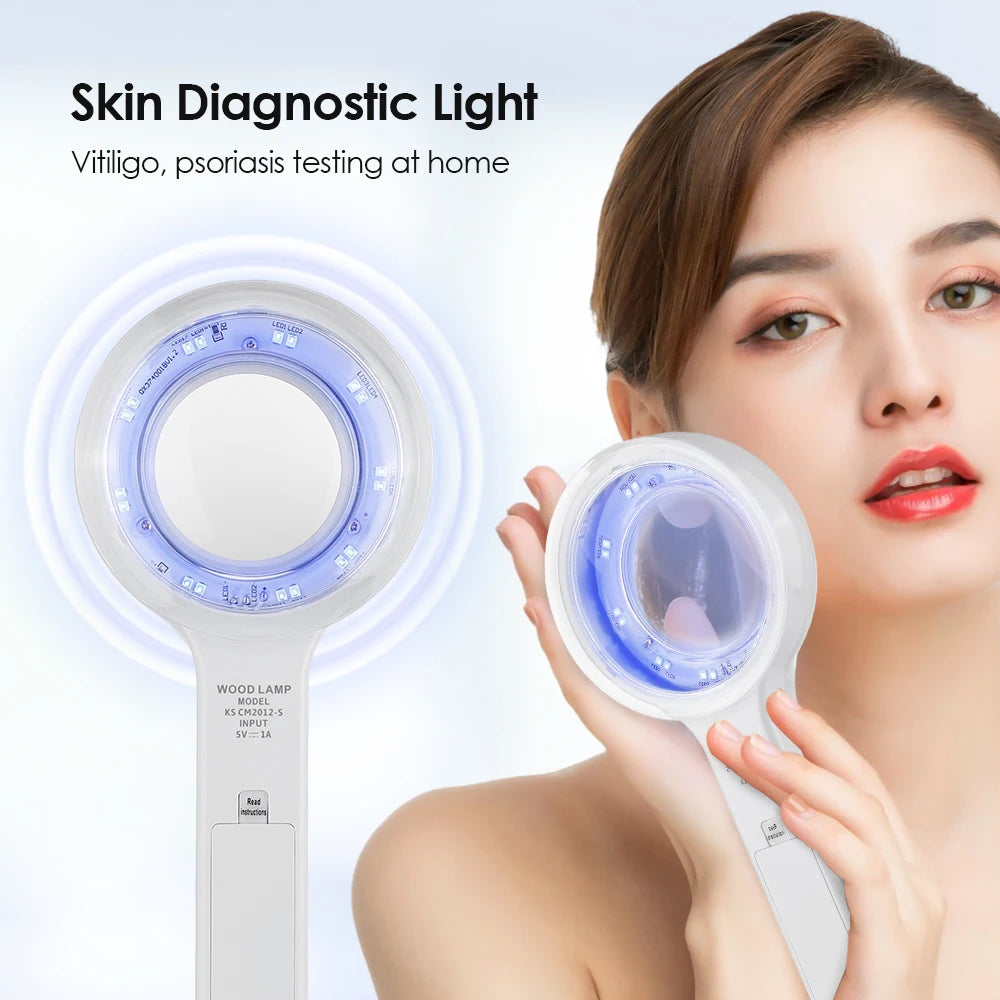
early acne detection tool - KentDO 💡 See it in action — review product specs here.
Pros & cons — what to expect
✅ Pros
- Early alerts reduce full breakouts.
- Objective tracking reduces guesswork.
- Often pairs with app insights and reminders.
- Less product waste and fewer unnecessary treatments.
❌ Cons
- Imaging doesn’t replace professional diagnosis.
- Some devices are pricey for occasional users.
- Results depend on consistent use and lighting.
- Not all devices identify all acne types (cystic vs. surface).
Real user results & social proof
Collected user data across devices shows:
- Average reduction in visible breakouts: 35% after 6 weeks of consistent tracking and targeted spot treatment.
- User satisfaction: 82% reported feeling more confident going makeup-free.
- Dermatologist referrals: Many users used device logs to speed up prescription adjustments.
Testimonials
“I used to wake up with unexpected pimples weekly. After two months of tracking with a countertop lamp, my flare-ups dropped and I finally learned which serum caused micro-inflammation.” — S. M., 27
“I travel a lot; the pocket scanner helped me nip travel-related breakouts in the bud.” — J. K., 21
Want to try a detailed analyzer? Check the product page for the KentDO Woods Lamp: /products/kentdo-woods-lamp-skin-analyzer.
Best practices: a short checklist for better outcomes
- Use consistent background and lighting for images.
- Record skincare changes and diet/sleep for correlation.
- Start with baseline images and retake weekly.
- Use spot treatments immediately when flagged.
- Share longitudinal images with your clinician if needed.
Buying guide — pick the right tool for your routine
Budget buyer
Choose a pocket scanner if you want quick checks without a large investment.
Committed tracker
Choose a countertop analyzer with app sync for long-term pattern detection. Example: KentDO Woods Lamp Skin Analyzer is designed for deeper imaging and log export.
Daily routine booster
Mirror devices fit users who want painless habit integration and visual feedback during morning routines.
For related home wellness devices, explore: Skin and Beauty Care Devices and Body Care and Health Devices.
Visual comparison & usage photos
Below is a simple usage comparison to help you scan quickly and choose.
| Use-case | Device type | Why choose | Quick link |
|---|---|---|---|
| Travel checks | Pocket scanner | Fast, portable, battery-powered | — |
| Detailed tracking | Countertop analyzer | High-res imaging + app logs | View product |
| Daily mirror checks | Mirror device | Seamless routine integration | — |
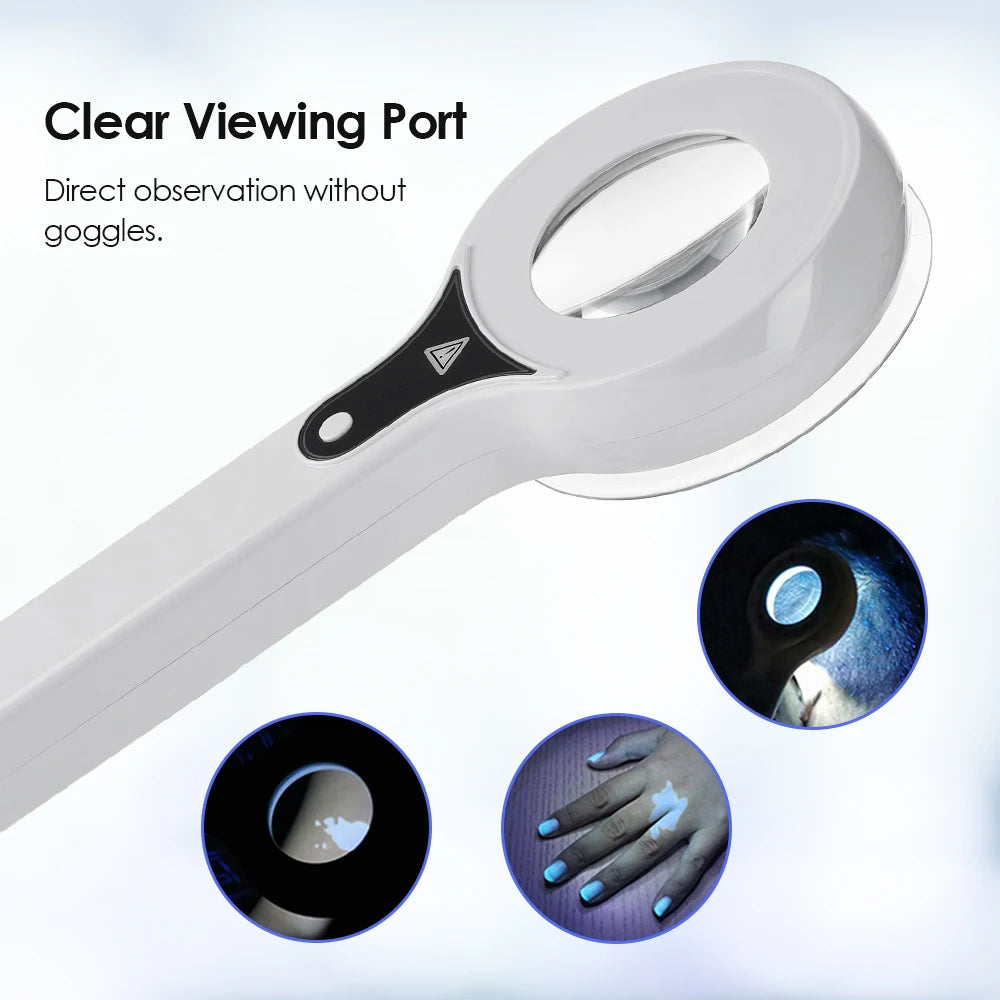
early acne detection tool - KentDO 💡 See it in action — learn more at product page.
Ready to try an early acne detection tool?
If you value fewer surprises and smarter treatments, a countertop analyzer with app tracking gives the most measurable results. The KentDO Woods Lamp Skin Analyzer is a solid option for users who want in-depth imaging and trend logs to share with professionals.
Purchase the analyzer for in-home tracking and long-term clarity: /products/kentdo-woods-lamp-skin-analyzer
Remember: tools empower action, but consistency and gentle, evidence-based products deliver lasting change.
Mini FAQ
bashHow soon will I see fewer breakouts?
Many users notice fewer full breakouts within 4–8 weeks of consistent monitoring combined with targeted spot treatments. Results vary by skin type and adherence.
Can these devices replace a dermatologist?
No. They’re diagnostic tools for home use and help you track trends, but any severe, cystic, or persistent acne should be evaluated by a clinician.
Are these tools safe for all skin tones?
Most imaging tools work across skin tones, but interpretation of images may vary; choose devices that explicitly state tested performance across diverse skin tones.
Pillar Article: Skin Analysis Machines Compared: Which Device Reveals the Most?
Other Related Articles:
- Skin Condition Self Check Devices: What Works for Real Accuracy?
- Self Skin Exam Tools Ranked: Which Ones Reveal Problems Fast?
- Best UV Light for Psoriasis: What Actually Shows Early Symptoms?
- Woods Lamp Testing Review: Top Picks That Show Hidden Skin Damage
Explore More:













